
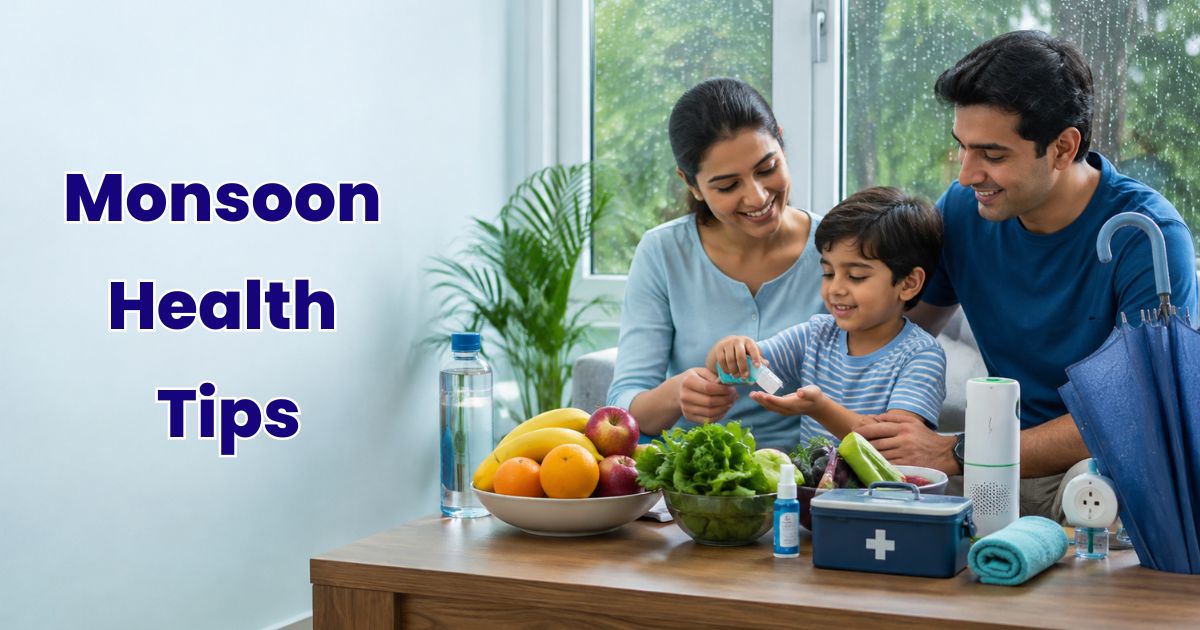
The monsoon brings a welcome break from the heat, but it also changes the way you need to look after your health. Rainwater can collect around homes, humidity rises, food may spoil faster, and mosquitoes often become more active. For many people, this is also the time when coughs, stomach problems, skin infections, fever, and other seasonal health concerns become more common. That doesn’t mean you need to avoid the rain or stay indoors all season.
A few sensible habits can help you and your family stay healthier. From drinking safe water to keeping stagnant water away from your home, these monsoon health tips are simple enough to follow every day.
Why Health Problems Can Increase During the Monsoon
The rainy season creates conditions that can affect hygiene and sanitation. Heavy rainfall can lead to waterlogging and stagnant water. Poor drainage may allow contaminated water to collect around homes and public areas. Mosquitoes can also find more places to breed.
Humidity can make it harder to keep food fresh, while wet clothes and footwear may remain damp for long periods. These conditions don’t automatically make you sick. They simply mean that some everyday precautions become more important.
1. Drink Safe and Clean Water
Water safety should be one of your priorities during the monsoon. Heavy rain and flooding can sometimes affect water sources and increase the risk of contamination. Water may look clean while still carrying harmful microorganisms.
Drink water from a reliable source. If you’re unsure about the quality of your household water, use a suitable purification or filtration method. When travelling, carry drinking water with you instead of depending on an unfamiliar source.
Also, clean your water bottles, storage containers, and utensils regularly. Simply refilling a container without washing it can allow germs to build up.
2. Be Careful About What You Eat
Food can spoil more quickly in humid weather. This is one reason monsoon food safety deserves extra attention. Eat freshly prepared food when possible and avoid food that has been sitting outside for long periods. Be selective when eating outside. Look at how the food is prepared and whether the surroundings appear clean.
At home, wash fruits and vegetables properly before using them. Keep raw and cooked food separate, and refrigerate perishable foods promptly. If food smells strange, looks spoiled, or has been left out for too long, it’s better to throw it away.
3. Protect Yourself From Mosquitoes
Mosquito control is one of the most important rainy season health tips. Mosquitoes can breed in surprisingly small amounts of stagnant water. Check flowerpots, buckets, coolers, trays, discarded containers, rooftops, and other outdoor areas where rainwater may collect.
Empty and clean these areas regularly. You can also use mosquito nets, window screens, or suitable mosquito repellents. When spending time outdoors, clothing that covers your arms and legs can reduce exposed skin.
Don’t focus only on protecting yourself from mosquito bites. Removing breeding sites around your home is equally important.
4. Keep Your Hands Clean
Handwashing is simple, but it remains one of the most useful monsoon hygiene tips. Wash your hands with soap and clean water before eating, after using the toilet, after coming home from outside, and after handling potentially contaminated surfaces.
If soap and water aren’t available, an alcohol-based hand sanitiser can be useful when your hands aren’t visibly dirty. Parents should also remind children to wash their hands after playing outside and before meals.
5. Change Out of Wet Clothes
Getting caught in the rain is common during the monsoon. Staying in wet clothes for hours isn’t a good habit. Change into dry clothes once you get home. Dry your feet properly, especially between the toes.
Wet footwear can also cause discomfort and skin problems if worn for long periods. Give shoes enough time to dry before wearing them again. If you travel to work or school every day, keeping an extra pair of socks or clothes with you can help on particularly rainy days.
6. Take Care of Your Feet and Skin
Your feet often come into contact with dirty water during the rainy season. Wash them after coming home, particularly if you’ve walked through puddles or waterlogged areas. Dry your feet thoroughly and pay attention to the spaces between your toes.
Keep your skin clean and dry where possible. If you develop persistent itching, redness, swelling, cracks, or other skin changes, speak with a healthcare professional rather than ignoring the symptoms.
7. Keep Your Home and Surroundings Clean
Good monsoon health care starts at home. Check your surroundings regularly for standing water. Clean blocked drains and remove containers that can collect rainwater. Bathrooms, balconies, kitchens, and other damp areas should also be kept as dry as possible.
Humidity may encourage mould growth around walls, windows, and other damp surfaces. Improve ventilation where possible and clean affected areas safely. A clean environment can help reduce several common problems associated with the rainy season.
8. Store Food Properly
Humidity and fluctuating temperatures can affect food storage. Don’t leave cooked food at room temperature for long periods. Store leftovers properly and follow appropriate food-safety practices when reheating them. Pay particular attention to foods such as dairy products, cooked rice, meat, and other perishable items.
Keep your refrigerator clean and remove expired or spoiled food regularly. When you’re unsure whether something is still safe to eat, don’t take the risk.
9. Stay Hydrated
You may not feel as thirsty during the rainy season as you do during summer, but your body still needs fluids. Drink water regularly throughout the day. If you’re experiencing vomiting or diarrhoea, fluid loss can become a concern. In such situations, an oral rehydration solution may be recommended depending on the circumstances. If you cannot keep fluids down, feel very weak or dizzy, or notice other signs of dehydration, seek medical advice.
10. Don’t Ignore Fever
Fever during the monsoon shouldn’t automatically be blamed on a change in weather. Several infections can cause fever, and symptoms can overlap. Depending on where you live and your symptoms, your doctor may consider illnesses such as dengue, malaria, viral infections, or other causes.
Don’t start antibiotics on your own. Antibiotics don’t work against viral infections and should only be used when prescribed or advised by an appropriate healthcare professional. If the fever is persistent, severe, keeps returning, or comes with other concerning symptoms, get medical advice.
11. Take Dengue and Malaria Prevention Seriously
Dengue and malaria are important monsoon diseases in many parts of India. Prevention begins with reducing mosquito exposure. Remove stagnant water around your home and workplace. Keep water-storage containers covered and use suitable mosquito-control measures.
Symptoms such as fever, headache, body aches, chills, weakness, vomiting, or rash can occur with different infections. Because symptoms can overlap, don’t try to diagnose yourself based only on how you feel.
If you develop a significant or persistent fever, contact a healthcare professional. They can decide whether testing or further evaluation is needed.
12. Keep Your Regular Medicines Ready
Heavy rain can make it difficult to travel, particularly during waterlogging or severe weather. If you take prescription medicines regularly, avoid waiting until the last dose to arrange a refill.
Keep your medicines in their original packaging and store them according to the instructions on the label. Check expiry dates occasionally. Medicines should also be protected from excess moisture unless their packaging specifically says otherwise.
Never change your dose or stop a prescribed medicine without speaking with your doctor.
13. Get Enough Sleep
A healthy routine doesn’t stop because the weather changes. Try to maintain regular sleeping and waking times. Adults generally need around seven or more hours of sleep each night, although individual needs can vary.
Good sleep supports your overall health and helps you manage work, travel, studies, and daily responsibilities during the monsoon.
14. Stay Physically Active
Rainy weather can make outdoor exercise difficult, but you can still stay active. If outdoor conditions are unsafe, exercise indoors. Walking inside your home, stretching, yoga, or a suitable home workout can help you maintain regular movement. Avoid outdoor exercise during thunderstorms, flooding, or when roads and paths are dangerously slippery.
15. Avoid Unnecessary Contact With Floodwater
Floodwater may contain sewage, chemicals, sharp objects, and other contaminants. Avoid walking through floodwater whenever possible. Children should never be allowed to play in it.
If you have cuts or open wounds, be especially careful about contact with potentially contaminated water. After unavoidable exposure, clean the affected area properly and seek medical advice if you develop signs of infection.
16. Take Care When Travelling During Monsoon
Monsoon travel requires a little preparation. Check the weather forecast before leaving. Carry drinking water, necessary medicines, and rain protection. If you’re travelling to an area experiencing heavy rainfall or flooding, check local advisories before starting your journey.
Keep medicines in a waterproof pouch or another suitable protective container. If you’re travelling with someone who takes regular medication, carry enough medicine for the trip.
17. Give Children Extra Attention
Children may not notice when their clothes or shoes have become wet. Teach them simple rainy-season habits. Ask them to wash their hands after outdoor play, avoid stagnant water, drink safe water, and change into dry clothes after getting wet.
If a child develops persistent fever, repeated vomiting, diarrhoea, breathing difficulty, unusual sleepiness, or signs of dehydration, seek medical advice.
18. Older Adults May Need Extra Care
Older adults may have existing health conditions or take several medicines regularly. Make sure their essential medicines are available before periods of heavy rain. Keep their medicines organised and stored correctly.
If an older family member develops new symptoms or an existing health condition becomes difficult to manage, contact their doctor. A little planning can make the rainy season easier for the whole family.
What Should You Keep at Home During Monsoon?
You don’t need to fill your home with medicines.
A basic health kit can include a thermometer, first-aid supplies, suitable mosquito-control products, hand sanitiser, ORS when appropriate, and any medicines regularly prescribed to your family.
Check expiry dates before using products.
If you’re unsure whether a medicine is appropriate for a particular symptom, speak with a doctor or pharmacist rather than choosing one yourself.
When Should You See a Doctor?
Not every cough, cold, or mild fever requires medical attention. However, some symptoms should not be ignored.
Seek medical advice if you experience:
- Persistent or high fever
- Difficulty breathing
- Severe weakness or dizziness
- Repeated vomiting
- Signs of dehydration
- Severe abdominal pain
- Blood in vomit or stool
- Confusion or unusual drowsiness
- Symptoms that are getting worse
Children, older adults, pregnant people, and individuals with existing health conditions may need medical attention sooner when symptoms are concerning.
Monsoon Health Tips: A Quick Checklist
Before and during the rainy season, make these habits part of your routine:
- Drink safe water.
- Wash your hands regularly.
- Eat fresh and properly stored food.
- Remove stagnant water around your home.
- Protect yourself from mosquito bites.
- Change out of wet clothes.
- Keep your feet clean and dry.
- Avoid unnecessary contact with floodwater.
- Keep regular medicines available.
- Don’t take antibiotics without medical advice.
- Get enough sleep.
- Seek medical help when symptoms are severe or persistent.
Frequently Asked Questions About Monsoon Health
Why do infections increase during the monsoon?
Rainfall, waterlogging, humidity, stagnant water, and poor sanitation in some areas can create conditions that support the spread of certain infections and increase mosquito breeding.
What are some common monsoon diseases?
Depending on the region and local conditions, people may experience illnesses such as dengue, malaria, viral infections, gastrointestinal infections, and some skin problems during the rainy season.
How can I prevent dengue during the monsoon?
Reduce mosquito breeding areas by removing stagnant water from containers, coolers, flowerpots, and other places around your home. Use appropriate mosquito protection to reduce bites.
Is it safe to drink tap water during the rainy season?
Water safety depends on the local supply and treatment system. If you’re unsure about your water quality, use an appropriate purification method or a reliable source of drinking water.
Should I take antibiotics for a fever?
No. Fever can have many causes, including viral infections for which antibiotics are not useful. Take antibiotics only when prescribed or advised by a qualified healthcare professional.
How can I stay healthy during the rainy season?
Focus on clean water, safe food, hand hygiene, mosquito control, dry clothing and footwear, good sleep, regular activity, and timely medical care when needed.
Final Thoughts
The monsoon doesn’t require a complicated health routine. Most useful precautions are ordinary habits that become a little more important when the rain arrives. Drink safe water. Keep food fresh. Remove stagnant water. Protect yourself from mosquitoes. Stay dry and pay attention to symptoms that don’t improve.
If you take regular medicines, plan your refills before heavy rainfall makes travel difficult. And when you’re unsure about a health problem, speak with a doctor or pharmacist rather than guessing.
Plus Medicos Pharmacy understand that getting medicines when you need them matters, especially during the rainy season. For customers looking for reliable medicine home delivery in Delhi, you can order your required medicines and healthcare products from the comfort of your home.
Good health during monsoon isn’t about avoiding every risk. It’s about making sensible choices every day.